
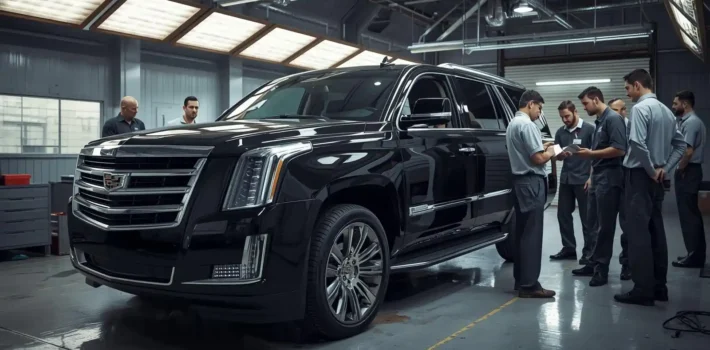
Professional limo services operate in an environment where safety, reliability, and regulatory compliance matter as much as service quality. Vehicle inspections form the foundation of that responsibility because passengers place their trust in systems they cannot see. Unlike casual transportation, professional services must prove roadworthiness, maintenance discipline, and operational readiness every day, not just when problems arise.
Why vehicle inspections matter in professional transportation
Vehicle inspections protect passengers from preventable risks while safeguarding businesses from liability exposure. Mechanical failures rarely happen without warning, and inspection discipline exists to catch issues before they escalate into breakdowns or accidents. Professional transportation places responsibility on the service provider to ensure vehicles perform consistently under varied conditions, including highway travel, airport congestion, and extended operating hours, making inspections a core safety obligation rather than an optional practice.
Difference between personal vehicle checks and commercial inspections
Personal vehicle checks rely heavily on owner judgment and infrequent oversight, while commercial inspections operate under defined schedules, documentation requirements, and external accountability. Professional limo services must inspect vehicles more frequently, maintain written records, and comply with regulatory audits that verify roadworthiness over time. This structure ensures consistency and removes subjectivity from safety decisions, creating a higher standard than personal vehicle use.
Required vehicle inspections for limo services in New Jersey
New Jersey requires licensed limo services to follow state inspection programs alongside commercial vehicle standards enforced by regulatory authorities. Vehicles must pass periodic inspections that verify mechanical condition, emissions compliance, and safety systems, with oversight from agencies responsible for motor vehicle compliance. Inspection timelines remain fixed, and failure to comply can result in vehicle grounding or operational penalties, reinforcing accountability across the fleet.
What professional inspections actually cover
Professional inspections extend beyond surface level checks and focus on systems critical to passenger safety and vehicle control. Brakes, suspension components, and steering systems receive close evaluation to ensure stability under load. Tire condition and alignment affect handling and stopping distance, while lighting and signaling systems ensure visibility and communication with other drivers. Engine and transmission checks focus on reliability during extended operation, especially in stop-and-go traffic.
Interior and passenger safety inspections
Passenger safety extends inside the vehicle, where inspections verify seat belt functionality, door mechanisms, and emergency access. Climate control systems must operate consistently to maintain passenger comfort in all weather conditions. Cleanliness and sanitation inspections protect health and reinforce professional standards, ensuring the cabin environment supports both safety and comfort expectations.
Pre-trip inspections performed by chauffeurs
Chauffeurs perform daily pre-trip inspections that serve as the final safety layer before service begins. Walk-around checks identify visible issues such as tire wear, fluid leaks, or exterior damage. Fluid levels, tire pressure, and interior readiness receive confirmation to ensure the vehicle remains fully prepared for service. This routine creates immediate accountability and allows problems to be addressed before passengers enter the vehicle.
How inspection failures are handled by professional services
When inspections identify issues, professional services remove affected vehicles from operation immediately rather than attempting temporary fixes. Maintenance scheduling prioritizes safety-related repairs, and replacement protocols ensure service continuity without compromising standards. Client impact mitigation includes deploying alternate vehicles to avoid disruptions while maintaining compliance and safety expectations.
Inspection standards for airport and corporate transportation
Airport and corporate transportation impose additional inspection expectations because of higher exposure and stricter venue requirements. Airport authorities often require proof of compliance before granting access, while corporate clients vet vendors based on documented maintenance practices. Event and venue transportation standards further reinforce the need for inspection discipline, as failure to comply can result in access denial or contract termination.
Why rideshare vehicles follow different inspection rules
Rideshare vehicles typically operate under personal vehicle classification, which limits inspection oversight and regulatory enforcement. Inspection gaps arise because vehicles do not undergo the same commercial schedules or documentation review. Passengers often assume equal standards apply, but oversight remains less comprehensive, creating differences in accountability and safety assurance.
How inspection standards protect passengers and businesses
Strong inspection standards reduce breakdown risk, prevent accidents, and support insurance compliance by demonstrating due diligence. Businesses benefit from reduced liability exposure and stronger credibility with clients and partners. Passengers gain peace of mind knowing vehicles meet defined safety benchmarks rather than relying on informal maintenance habits.
What clients should ask about vehicle inspection standards
Clients should ask how often vehicles undergo inspections, whether records remain available, and how services handle maintenance failures. Questions about replacement policies and transparency reveal whether inspection discipline forms part of daily operations or exists only on paper. Clear answers signal operational maturity and commitment to safety.
Choosing a limo service with strong inspection discipline
Reliable limo services demonstrate inspection discipline through consistency rather than claims. Red flags include vague explanations, reluctance to share maintenance practices, or visible vehicle condition issues. Signs of professionalism include proactive communication, well-maintained fleets, and a culture that treats inspections as an operational priority. Clients seeking dependable transportation should look for services that integrate inspection standards into their long-term reliability model, including providers offering Black Car Service with documented safety processes.
For broader regulatory context, Chauffeur Licensing Requirements in New Jersey will further explain how vehicle inspections align with professional driver standards once published.