
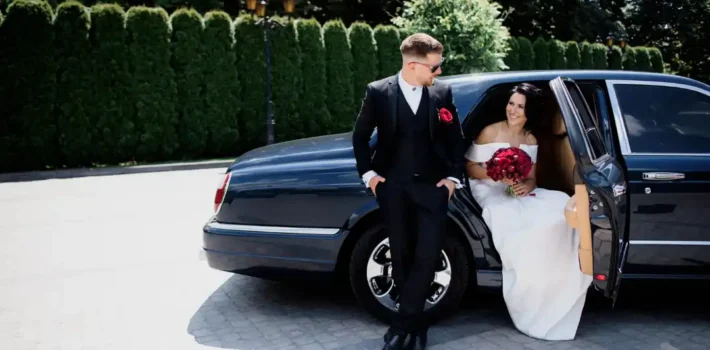
Wedding transportation shapes more than arrival times. It shapes the emotional flow of the day. In New Jersey, where venues range from shore estates in Spring Lake and Cape May to historic churches in Newark and Princeton, logistics become complex quickly. Travel time between locations, seasonal traffic on the Garden State Parkway, and weekend congestion on Route 18 or Route 35 can quietly disrupt carefully planned timelines. Proper planning ensures that ceremony timing, guest coordination, and venue transitions unfold smoothly without last-minute stress.
Why wedding transportation planning matters more than couples expect
Couples often focus on décor, catering, and photography, but transportation controls the rhythm of the day. If the bridal party arrives late, ceremony timing shifts. If guests struggle to park at a shore venue during peak summer weekends, stress replaces celebration. Transitions between ceremony and reception venues, especially when they sit 20 to 40 minutes apart, require coordination that accounts for traffic patterns and staging logistics. Planning transportation early reduces stress not only for the couple but for families, planners, and guests who rely on precise timing.
Understanding the wedding day transportation timeline
Wedding transportation begins well before the ceremony. Getting-ready locations may be separate from the ceremony venue, often 10 to 25 miles apart depending on hotel choice. First look photography may require travel to scenic waterfronts or estates before the ceremony. Ceremony arrival timing must account for buffer windows, typically arriving 20 to 30 minutes before guest seating begins. Reception transitions demand synchronized departure to avoid staggered gaps that disrupt cocktail hour. End-of-night departures, especially from venues in the Jersey Shore or northern NJ estates, require planning for tired guests and possible late-night traffic slowdowns.
Transportation planning for the bride and groom
The couple’s transportation deserves focused planning. A private arrival creates calm before the ceremony begins, particularly when the venue sits along busy corridors like Route 9 or I-287. Photography timing often requires vehicle staging nearby for quick movement between portrait locations. Quiet ride moments between ceremony and reception allow couples to decompress before reentering celebration mode. Grand exit planning, whether sparkler send-offs or waterfront departures, requires precise vehicle positioning and unobstructed access.
Guest transportation considerations in New Jersey weddings
Guest transportation becomes critical when parking is limited, especially at shore venues in Avalon, Asbury Park, or Long Beach Island where summer weekends bring heavy congestion. Hotel-to-venue shuttles reduce confusion and eliminate late arrivals. Out-of-town guests unfamiliar with NJ traffic benefit from coordinated pickups. Multiple venue weddings, such as a church ceremony in Newark followed by a reception in Short Hills, demand structured shuttle timing to maintain flow and avoid guests arriving after key moments.
Choosing between black car, SUV, or larger group vehicles
Vehicle selection depends on bridal party size and logistical needs. Sedans or black car options provide elegant private transport for the couple. SUVs accommodate immediate family members or small bridal parties while maintaining comfort. Larger group vehicles or executive vans support coordinated movement between venues. Comfort expectations vary, but practicality must guide decisions, especially when travel distances exceed 20 to 30 miles between ceremony and reception sites.
Timing buffer strategies for NJ traffic conditions
New Jersey traffic varies dramatically by season and region. Summer shore travel along the Garden State Parkway southbound can add 30 to 45 minutes on Fridays and Saturdays. Urban corridors near Newark and Jersey City experience weekend congestion due to events and construction. Suburban travel may appear lighter but still faces delays near major intersections. Building 15 to 30 minute buffers into wedding day transportation schedules protects ceremony timing and reduces visible stress.
Coordinating transportation across multiple wedding venues
Church-to-reception travel requires coordinated departures to prevent bottlenecks. Outdoor venues, especially estate properties with limited driveways, require staggered arrivals to avoid congestion. Shore venues may require careful timing to avoid seasonal beach traffic. Tight scheduling windows demand precise communication between chauffeurs and planners so arrivals feel effortless rather than rushed.
Managing photography and scenic route considerations
Wedding photography often involves waterfront locations, historic estates, or scenic backdrops. Stops along the Hudson River waterfront or near Sandy Hook require calculated timing to preserve lighting conditions. Vehicles must stage nearby without interfering with public traffic. Efficient routing ensures couples move between sessions without losing momentum or delaying reception timelines.
Handling unexpected delays on wedding day
Unexpected delays happen despite planning. Traffic incidents on I-95 or Route 22 can disrupt timing. Late vendors may push ceremony starts. Weather changes, especially summer storms along the coast, require adjustments. Professional transportation teams mitigate schedule compression by adjusting routes, maintaining communication with planners, and preserving buffer windows wherever possible.
Why professional chauffeurs reduce wedding-day stress
Professional chauffeurs maintain punctuality discipline and remain composed under pressure. Their calm presence supports couples navigating emotional moments. Coordination with planners ensures alignment with the timeline. Clear communication prevents confusion when schedules shift. The goal remains smooth execution rather than visible urgency.
Transportation planning for large bridal parties and family groups
Large bridal parties require multi-vehicle coordination to maintain arrival order. Staggered departures prevent congestion at tight venue entrances. Elderly guests may require step assistance and additional boarding time. Clear pickup instructions for family groups eliminate confusion at hotels or secondary locations. For deeper coordination strategies, see Group Transportation Planning for Large Events.
Questions couples should ask before booking wedding transportation
Couples should ask how transportation integrates with the overall timeline. Confirm buffer strategies, backup vehicle availability, and chauffeur attire standards. Ask whether the service has prior experience with the selected venue. Understanding these details reveals operational preparedness.
When to book wedding transportation in New Jersey
New Jersey’s peak wedding season runs from late May through October, with summer shore weddings booking earliest. Popular venues in Monmouth County and North Jersey often host multiple weddings per weekend, increasing vehicle demand. Booking transportation six to nine months in advance during peak season protects availability and ensures contract clarity.
Creating a smooth and elegant wedding arrival experience
A well-planned arrival sets the tone for the entire event. Guests experience seamless transitions, the couple arrives composed, and the day flows naturally from one chapter to the next. Transportation, when executed correctly, remains invisible yet essential. Couples seeking structured and elegant planning often rely on Wedding Transportation providers who understand New Jersey venue flow and timing realities.