
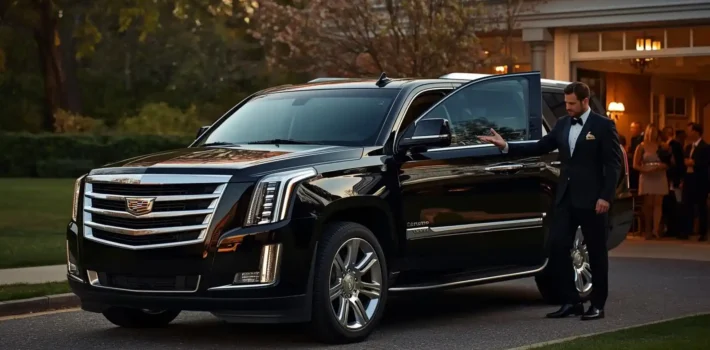
Major events rarely fail because of poor planning. They fail because of overlooked details. Transportation often sits at the top of that list. In New Jersey, where spring brings a packed calendar of corporate gatherings, charity galas, weddings, conferences, and private celebrations, professional limo services understand that how people arrive matters just as much as where they are going.
Experienced planners do not treat transportation as a last-minute task. They treat it as a foundational part of the event itself. When the stakes are high, timing is tight, and impressions matter, stress-free transportation becomes a strategic decision rather than a convenience.
Why Transportation Becomes the Weakest Link on Event Day
Event days move fast. Schedules shift. Guests arrive from different locations. Traffic patterns change unexpectedly. Even the most carefully planned event can unravel when transportation does not align with the rest of the experience.
Professionals recognize that transportation creates the first and last impression of an event. A delayed arrival, confusion at the venue entrance, or an uncomfortable ride immediately raises stress levels for guests and hosts alike. As spring approaches and event calendars fill up across New Jersey, these risks increase. More events mean more congestion, tighter arrival windows, and higher expectations.
Transportation only feels invisible when it works perfectly. When it does not, it becomes impossible to ignore.
How Professionals Think About Event Transportation Before Anything Else
Seasoned professionals approach transportation with intention. They start by asking simple but critical questions early in the planning process. Who is attending. Where are they coming from. What impression should the arrival create. How much margin exists for delays.
Spring marks the return of large-scale gatherings across the state. Corporate networking events, award dinners, fundraisers, and weddings often happen back to back. Professionals plan transportation early because they know availability tightens quickly and because the right service removes uncertainty from the day.
They do not look for a ride. They look for reliability, coordination, and calm execution.
Understanding the True Cost of Being Late to a Major Event
Being late costs more than time. It affects perception, confidence, and credibility. For executives, clients, speakers, or honored guests, arrival timing communicates professionalism before a word is spoken.
Spring events often run on precise schedules. Doors open at specific times. Dinners begin promptly. Speeches and presentations follow tight agendas. A late arrival creates disruption not only for the individual but for the entire flow of the event.
Professionals understand that stress-free transportation protects reputations. It allows people to arrive composed, focused, and present rather than rushed and distracted.
The Role of a Professional Chauffeur During High-Pressure Events
A professional chauffeur does far more than drive. During high-pressure events, chauffeurs act as quiet problem solvers. They adjust routes in real time. They coordinate arrivals discreetly. They anticipate venue access challenges and timing constraints.
Spring weekends in New Jersey often bring overlapping events, heavier traffic near venues, and limited curb access. Experienced chauffeurs know how to navigate these conditions calmly. They understand when to arrive early, when to wait, and how to adapt without drawing attention to complications.
This level of awareness removes pressure from the passenger. That peace of mind defines the value of a professional chauffeur.
Why Event Transportation Requires a Different Standard Than Everyday Rides
Everyday transportation prioritizes speed and convenience. Event transportation prioritizes consistency, presentation, and accountability.
Spring events frequently involve formal venues, outdoor entrances, red carpet arrivals, and high-visibility moments. A limousine service operates under a higher standard because the experience must match the significance of the occasion.
Vehicle condition, interior comfort, chauffeur appearance, and arrival timing all play a role. Professionals choose limousine services because they deliver predictability in environments where unpredictability creates stress.
Planning for Venues, Timing, and Multiple Stops in New Jersey
New Jersey presents unique logistical challenges during peak event seasons. Venues range from urban centers to suburban estates and coastal locations. Traffic patterns shift dramatically depending on day, time, and season.
Spring brings increased movement across the state. Corporate events cluster near business districts. Weddings spread across scenic towns and private venues. Fundraisers and galas often share weekends, placing pressure on roads and parking access.
Professionals plan transportation with local awareness. They account for staging areas, loading zones, security checkpoints, and multiple pickups or drop-offs. This level of planning prevents last-minute confusion and ensures smooth transitions throughout the day or evening.
How Professionals Reduce Stress for Guests, Clients, and Teams
Stress rarely affects only one person. When transportation issues arise, they ripple through guests, hosts, and teams responsible for execution.
Professionals reduce stress by choosing transportation that operates seamlessly. Guests step into comfortable vehicles. Clients arrive on time without concern. Teams focus on the event itself rather than managing logistics.
As spring events grow in size and complexity, this sense of control becomes essential. Smooth transportation allows everyone involved to stay present and engaged.
What Experienced Event Planners Look for in a Limousine Service
Experienced planners evaluate transportation partners carefully. They look for clear communication, dependable scheduling, and a fleet that reflects the event’s tone. They value chauffeurs who understand discretion and professionalism.
Spring event seasons reveal weaknesses quickly. A service that struggles with coordination or consistency becomes a liability. Professionals prefer partners who demonstrate preparedness and adaptability, especially when schedules tighten and expectations rise.
Trust grows from repeated performance, not promises.
The Difference Between Getting There and Arriving Right
Getting there simply means reaching a destination. Arriving right means stepping out of the vehicle calm, composed, and ready.
Spring evenings often involve formal attire, outdoor entrances, and photography moments. The arrival sets the tone. A smooth entrance supports confidence. A rushed one creates tension.
Professionals plan transportation to protect this moment. They understand that arrival is part of the experience, not an afterthought.
Why Stress-Free Transportation Is Part of a Successful Spring Event
Successful events feel effortless to attendees, even when they require months of planning behind the scenes. Transportation plays a quiet but critical role in that perception.
As spring brings a surge of major events across New Jersey, professionals rely on transportation that supports the event rather than competes with it. Stress-free travel allows the focus to remain on connection, celebration, and purpose.
When transportation works, everything else flows more easily.
Final Thoughts From the Road
Professionals who plan major events understand that calm does not happen by accident. It comes from preparation, experience, and choosing partners who operate at the same level of care.
Transportation may not appear on stage, but it shapes how people feel before and after the event. In a season defined by momentum and visibility, that feeling matters.
If you are planning a major event this spring in New Jersey and want transportation that feels seamless, professional, and stress free, NJ Luxury Rides is ready to support your plans. Our chauffeurs focus on timing, discretion, and comfort so you can focus on what matters most. To reserve your limousine service, call +1 (732) 852-3289 or book directly through our website.