
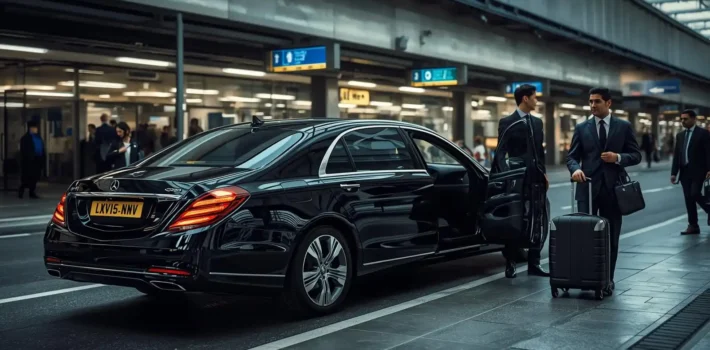
Choosing airport transportation often feels like a simple decision, but the difference between chauffeur service and rideshare becomes clear when timing, reliability, and accountability matter. Airport travel operates under tighter constraints than everyday rides. Delays, enforcement rules, and flight schedules introduce variables that demand preparation rather than convenience.
This comparison explains how chauffeur services and rideshare platforms differ in real airport conditions, helping travelers choose the right option based on risk tolerance, travel purpose, and timing importance.
Why airport transportation reliability matters
Airport transportation leaves little room for error. Missed flights cost time, money, and sometimes entire trips. Tight schedules add pressure, especially for early morning departures or late night arrivals when alternatives become limited.
Business travelers face meeting commitments that depend on punctual arrivals. Families and group travelers carry higher risk because delays affect multiple people and larger amounts of luggage. Reliable transportation absorbs these risks so passengers do not manage them alone.
How chauffeur services approach airport travel planning
Chauffeur services plan airport travel in advance rather than reacting in real time. Reservations lock in schedules, vehicles, and chauffeurs before the day of travel. Dispatch teams coordinate timing based on airport behavior rather than estimated arrival windows.
Flight tracking allows adjustments when schedules change. Dedicated chauffeurs remain assigned even during delays. Dispatch coordination manages staging, communication, and timing so execution stays consistent from pickup to drop-off.
How rideshare services operate at airports
Rideshare services operate on demand. Drivers decide whether to accept trips, and availability fluctuates based on location, incentives, and time of day. Airport knowledge varies widely because drivers rotate frequently.
Cancellations happen when drivers encounter delays or enforcement pressure. App based timing depends on estimates rather than confirmed arrival readiness. These limitations increase uncertainty during airport trips.
Pickup timing differences between chauffeur and rideshare services
Chauffeur services follow early arrival standards. Vehicles arrive before the scheduled time and adjust based on flight status. Waiting policies support delayed arrivals without driver reassignment. Communication remains direct and proactive.
Rideshare drivers often arrive based on estimated times. Waiting periods remain limited, and long delays trigger cancellations. Communication stays app dependent, which creates confusion when conditions change quickly.
Vehicle standards and passenger comfort comparison
Chauffeur services operate commercial vehicles that meet professional standards. Cleanliness remains consistent because vehicles follow inspection routines. Luggage space accommodates airport travel, including multiple bags and equipment.
Rideshare vehicles vary by driver. Cleanliness, space, and ride quality change trip to trip. Passengers cannot predict comfort level until the vehicle arrives.
Insurance, licensing, and accountability differences
Chauffeur services operate under commercial insurance policies that cover passengers during the entire trip. Licensed companies assume responsibility for safety, compliance, and service delivery. Regulatory oversight enforces consistent standards.
Rideshare platforms shift responsibility between driver and company. Coverage depends on trip status and app conditions. Accountability becomes fragmented when issues arise.
Chauffeur experience with airport logistics
Professional chauffeurs understand terminal layouts, pickup rules, and enforcement patterns. They plan entry timing to avoid penalties and congestion. Peak hour navigation relies on experience rather than GPS alone.
This operational knowledge reduces missed pickups and curbside confusion. Experience matters most at large airports where small timing errors create major delays.
Where rideshare services struggle most during airport trips
Late night arrivals reduce driver availability. Early morning departures increase cancellation risk. Holiday travel amplifies congestion and surge pricing. Large luggage loads and group travel exceed vehicle capacity.
These scenarios expose the limits of on-demand models. Reliability decreases when conditions deviate from normal city driving.
Cost considerations beyond the base fare
Base fares rarely reflect total cost. Rideshare pricing fluctuates due to surge conditions, cancellations, and waiting time limits. Missed pickups create secondary costs that exceed fare differences.
Chauffeur service pricing reflects reliability and planning. The value includes reduced risk, predictable execution, and accountability. Cost comparison should include outcome, not just fare.
Who should choose a chauffeur service for airport travel
Business travelers benefit from punctuality and professional conduct. Families benefit from stability and reduced stress. Elderly passengers benefit from assistance and patience. International travelers benefit from coordination across terminals and arrival delays.
These travelers value execution over convenience.
When rideshare may still be a reasonable option
Rideshare works for short notice local trips with light luggage. Off peak hours reduce congestion and enforcement pressure. Flexible schedules allow passengers to absorb delays without consequences.
In low risk scenarios, rideshare convenience may outweigh planning benefits.
How to decide the right option for your airport trip
Travelers should assess timing importance, risk tolerance, and trip purpose. Ask whether missing the flight creates serious consequences. Consider luggage volume, group size, and arrival time.
For travelers who prioritize reliability and consistency, Black Car Service offers structured airport transportation built around accountability rather than availability.
To understand how planning directly prevents missed departures, read Why Private Airport Car Service Reduces Missed Flights for deeper operational insight.