
Quick Answer: Why JFK Pickup Is More Complex Than Other Airports
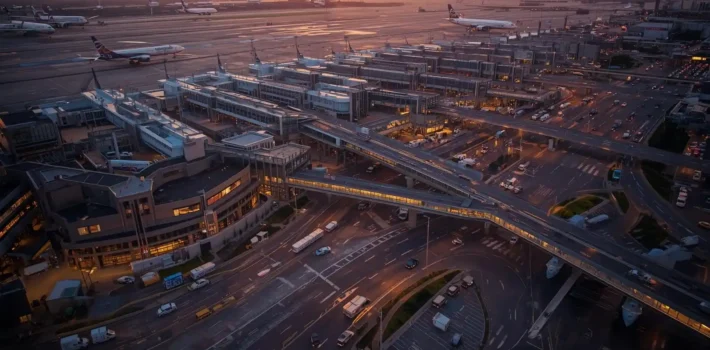
Pickup logistics at John F. Kennedy International Airport (JFK) are often more complicated than at many other airports in the region. Unlike airports that operate from one or two centralized terminals, JFK spreads passenger traffic across several independent terminals. Each terminal has its own roadway access, passenger pickup areas, and ground transportation zones.
This structure means that drivers and passengers must coordinate carefully because pickup procedures vary depending on which terminal the flight arrives at. Traffic flow also differs significantly between terminals, particularly during peak arrival periods. For travelers coming from New Jersey, understanding these differences helps reduce confusion and ensures smoother pickup coordination after landing.
Active JFK Passenger Terminals Explained
JFK Airport currently operates several active passenger terminals, each serving different airlines and flight routes. The main passenger terminals include Terminal 1, Terminal 4, Terminal 5, Terminal 7, and Terminal 8. These terminals function almost like separate airports within the same complex because each one has its own entrances, curbside access areas, and ground transportation zones.
Terminal 1 primarily handles international flights and tends to see large passenger volumes from long haul arrivals. Because international flights often require customs processing and baggage retrieval, pickup timing outside this terminal can vary depending on how quickly passengers clear immigration.
Terminal 4 is one of the airport’s largest and busiest facilities. It handles a mix of international and domestic traffic and frequently processes a high number of arriving passengers throughout the day. As a result, the curbside pickup zones around this terminal often experience heavier traffic.
Terminal 5 primarily serves domestic travelers and tends to move passengers through the airport relatively quickly. Terminal 7 and Terminal 8 also manage both domestic and international operations depending on airline assignments. Because airlines occasionally shift between terminals, travelers should always confirm their terminal number before coordinating pickup.
For a detailed overview of JFK’s terminal structure, travelers can review the John F. Kennedy International Airport information available on Wikipedia page explaining JFK Airport terminal structure.
Where Private Car Services Typically Pick Up at JFK
Ground transportation at JFK Airport operates through designated curbside areas located outside each terminal’s arrivals level. Passengers leaving the baggage claim area typically follow signage directing them toward taxi stands, rideshare pickup areas, and prearranged transportation zones.
Private car services usually coordinate pickups along curbside sections assigned for prearranged vehicles. These areas are separate from taxi lines and rideshare staging zones. Because JFK handles a large number of passengers across multiple terminals, airport traffic staff often manage curbside access carefully to prevent congestion.
Passengers usually contact their driver once they exit baggage claim and approach the terminal curb. This communication allows the driver to enter the pickup lane at the appropriate time rather than waiting in the curbside zone unnecessarily. Coordinated timing helps reduce traffic congestion and allows vehicles to move through the pickup area more efficiently.
Rideshare vehicles may operate slightly differently depending on airport traffic management policies. In some cases, passengers may need to walk to designated pickup locations within the terminal’s ground transportation area rather than meeting vehicles directly at the curb.
Why Terminal Choice Affects Pickup Time
The terminal where a flight arrives can significantly influence how long the pickup process takes. Some terminals process passengers quickly while others handle large volumes of international travelers, which may extend the time required to exit the airport.
Passenger volume is one of the biggest factors. Terminals with frequent long haul arrivals may experience large groups of passengers reaching baggage claim at the same time. This increases activity around curbside pickup zones and may slow vehicle access to the terminal.
International arrivals can also affect timing. Passengers arriving from overseas must pass through customs and immigration before exiting the terminal. This process may take additional time depending on the number of arriving flights and the volume of travelers passing through border control.
Another factor involves baggage claim delays. Some terminals process luggage quickly while others may take longer during busy periods. Drivers and passengers therefore rely on communication to coordinate the pickup once baggage collection is complete.
Because of these variables, two passengers landing at different terminals within the same airport may experience very different pickup times even if their flights arrive around the same time.
Traffic Conditions Around JFK Airport
Highway traffic surrounding JFK Airport also plays a major role in pickup timing. The airport sits within a busy transportation network in Queens, where several major roads converge near the airport entrance.
One major route affecting airport access is the Belt Parkway, which runs along the southern edge of Brooklyn and Queens. This highway often carries heavy traffic, particularly during afternoon and evening hours. Congestion along the Belt Parkway can slow vehicles approaching the airport entrances.
Another important corridor is the Van Wyck Expressway, which connects JFK Airport with other parts of Queens and the larger New York City highway system. Traffic delays along this expressway frequently affect travel time to and from the airport.
In addition to highway congestion, vehicles approaching JFK must navigate airport entrance roads that lead toward individual terminals. During busy travel periods, these roads may experience slower traffic flow as vehicles move toward terminal drop off and pickup zones.
For travelers coming from New Jersey, these conditions make it especially important to include additional buffer time when coordinating airport transportation.
How Professional Drivers Coordinate JFK Pickups
Professional drivers who regularly operate at JFK Airport rely on several coordination practices to manage pickup timing effectively. One of the most important tools is flight monitoring, which allows drivers to track real time arrival updates. If a flight arrives early or experiences delays, the driver can adjust the pickup schedule accordingly.
Drivers also confirm the terminal number associated with the arriving flight. Because JFK operates multiple terminals, verifying this information ensures the driver heads toward the correct pickup location within the airport.
Communication between the passenger and driver is another important part of the process. Once the passenger exits baggage claim and approaches the terminal curb, contacting the driver allows the pickup to occur quickly without unnecessary waiting time.
These coordination steps help ensure that pickup timing remains organized even within a busy airport environment.
Tips for Travelers Meeting Their Driver at JFK
Passengers arriving at JFK Airport can make the pickup process easier by preparing a few key details in advance. Confirming the correct terminal number is one of the most important steps, since drivers rely on that information to navigate toward the right pickup area.
Keeping a phone accessible after landing also helps streamline communication. Once travelers reach baggage claim and collect their luggage, they can notify their driver that they are ready to exit the terminal.
Following airport signage is equally important. JFK provides clear directions leading passengers from baggage claim toward ground transportation areas, including taxi stands, rideshare pickup points, and curbside pickup zones.
Allowing sufficient time for baggage claim is another helpful step. Larger aircraft and international flights often take longer to unload luggage, which may delay a passenger’s arrival at the pickup area.
Why JFK Pickup Planning Matters for NJ Travelers
Travelers coming from New Jersey face additional planning considerations when coordinating pickups at JFK Airport. Unlike nearby airports, JFK sits deeper within New York City’s transportation network, which means drivers must navigate multiple highways before reaching the terminal areas.
The longer distance between New Jersey and JFK also increases the importance of timing. Traffic conditions on routes such as the Belt Parkway or the Van Wyck Expressway can change quickly depending on the time of day and overall traffic volume.
Because of this, coordinated pickup planning helps ensure that drivers arrive at the correct terminal at the right time. Travelers who arrange transportation in advance often rely on services such as JFK Airport Car Service to simplify airport transfers.
Passengers traveling from communities across central New Jersey may also coordinate airport transportation through providers serving the region, such as Monmouth County limousine service, which helps manage the longer distance between New Jersey and JFK Airport.
Understanding the terminal structure, traffic conditions, and pickup coordination process helps travelers navigate JFK Airport more confidently and avoid confusion after their flight lands.