
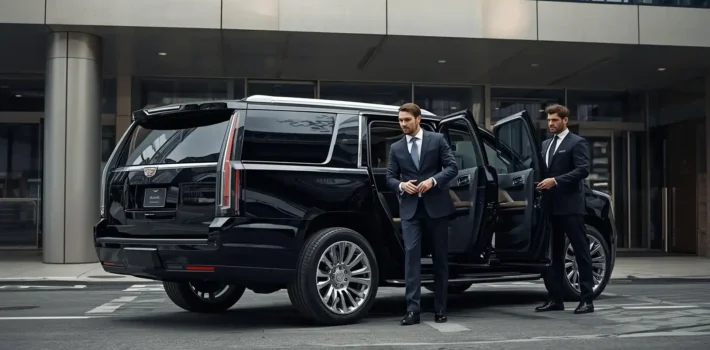
Corporate transportation operates at the intersection of timing, perception, and discipline. In business environments, transportation does not simply move people from one location to another. It represents a company’s standards, reliability, and respect for executive time. When meetings involve investors, board members, or strategic clients, travel execution becomes part of brand representation. Corporate travel etiquette ensures that transportation enhances professional credibility rather than introducing friction.
Why etiquette matters in corporate transportation
Etiquette in corporate transportation protects first impressions, especially during client-facing travel. Arriving late, disorganized, or distracted can undermine credibility before a meeting begins. In New Jersey business corridors such as Newark, Jersey City, and Princeton, executives often travel between offices and airports like Newark Liberty within 20 to 45 minutes under normal traffic, but that window can double during peak hours. Proper etiquette accounts for these realities by emphasizing preparation, punctuality, and situational awareness that aligns with executive expectations and brand standards.
What corporate travel etiquette actually includes
Corporate travel etiquette extends beyond courtesy into operational discipline. Punctuality means arriving early rather than precisely on time. Professional appearance reflects brand alignment and situational awareness. Controlled communication ensures chauffeurs speak clearly and concisely without unnecessary conversation. Situational awareness allows chauffeurs to anticipate security checkpoints, building access procedures, and congestion patterns, reducing visible friction during executive movement.
Chauffeur arrival protocols for executive pickups
Arrival protocol begins before the vehicle stops. Chauffeurs position vehicles strategically to ensure easy passenger entry while respecting curbside rules. Early arrival standards create timing buffers, especially for airport pickups where terminal flow can vary by 10 to 20 minutes depending on congestion. Greeting approaches remain professional and composed, and luggage handling occurs efficiently without drawing attention or creating delays. The goal is seamless transition from building to vehicle.
Communication etiquette between chauffeur and executive
Communication in executive transportation requires balance. Chauffeurs confirm destinations and timing clearly, then allow silence unless engagement is invited. When schedule changes arise, chauffeurs acknowledge updates calmly and execute adjustments without visible frustration. Managing changes professionally reinforces confidence and prevents executives from absorbing logistical stress during already compressed schedules.
Handling client-facing pickups and meetings
High-stakes scenarios demand elevated discipline. Airport executive pickups at JFK, which may take 60 to 90 minutes from central New Jersey depending on traffic and bridge flow, require precise staging and terminal awareness. Board-level meetings and investor visits require careful vehicle positioning and neutral demeanor. Corporate events demand coordination with venue staff and security personnel. Each of these moments reflects directly on the host organization.
Vehicle presentation standards for business travel
Vehicle presentation influences perception immediately. Cleanliness discipline ensures exterior and interior readiness. Climate control settings remain comfortable without requiring adjustment. Noise management eliminates unnecessary distractions. These standards create an environment suitable for reviewing documents, taking calls, or preparing mentally for meetings without environmental interference.
Managing schedule changes with professionalism
Corporate schedules change frequently. Meeting overruns, last-minute itinerary adjustments, and traffic delays require structured flexibility. Professional chauffeurs adapt routes in real time, especially on corridors such as the New Jersey Turnpike or Route 78 where minor incidents can add 15 to 30 minutes unexpectedly. Multi-stop itineraries require recalibration without visible disruption, maintaining executive confidence in the system.
Confidentiality and discretion as part of etiquette
Etiquette includes strict discretion during sensitive conversations, private calls, or document handling. Chauffeurs avoid visual engagement with confidential materials and disengage from conversations not intended for them. Travel itineraries remain private within company systems. These practices align closely with standards outlined in How Chauffeurs Maintain Discretion and Client Privacy, reinforcing trust as a visible and invisible component of service.
Corporate etiquette differences between chauffeur services and rideshare
Chauffeur services operate under structured training, accountability frameworks, and company standards that promote consistent behavior. Rideshare drivers vary widely in experience, presentation, and situational awareness. Corporate etiquette depends on predictability and professionalism, not variability. Consistency ensures alignment with executive expectations and brand image.
How companies establish transportation protocols internally
Organizations formalize transportation through approved vendor lists and executive travel policies. Centralized booking systems ensure scheduling consistency and accountability. Service standards become part of procurement decisions rather than individual preferences. Long-term partnerships strengthen reliability by reinforcing expectations across recurring engagements, often under a structured Corporate Transportation framework.
When etiquette failures damage corporate reputation
Late arrivals, poorly maintained vehicles, and unprofessional behavior create reputational damage that extends beyond the trip itself. Communication missteps during client-facing travel can undermine negotiation dynamics or perceived preparedness. These failures often originate from lack of protocol discipline rather than isolated mistakes.
Choosing a corporate transportation provider with strong protocol standards
Companies evaluating transportation partners should ask about chauffeur training, arrival protocols, and contingency planning. Signs of professionalism include consistent presentation, clear communication systems, and documented service standards. Long-term reliability depends on operational culture rather than marketing language. Strong protocol standards ensure transportation supports corporate objectives rather than distracting from them.